Race recap
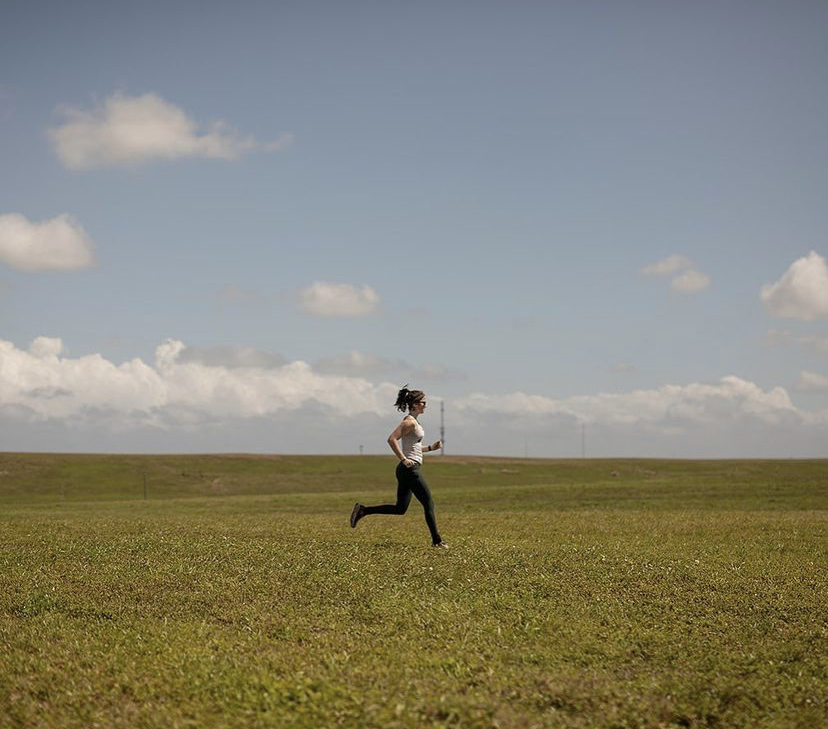
This past weekend I ran a 22-mile “night” race - “night” in quotations because it started at 5:30 p.m. in Florida, which in the summertime might as well be the middle of the afternoon.
It was a hot, sweaty, sandy time (welcome to trail running in Florida), so I was happy to finish in 4:07, achieve my goal of running at a faster pace than I usually do for 50K+ ultras, and finish on the podium as second female.

Because of the heat and the sand, I figured I’d probably feel more tired and sore than I normally would after a 22-mile easy long run at home. It would have been completely normal for my body to feel the effects of working hard on the trail in the heat for hours.
But the next morning, I woke up and felt…normal. No soreness (besides a blister under one toe) and no unusual tiredness. I spent the day with friends in St. Pete walking around downtown, being a tourist, having the best cheesesteak I’ve ever had in my life, and staying up late eating ice cream and watching Dateline.
I took Monday and Tuesday off from running to get caught up with coaching clients, programs for the week, and calls. By Wednesday, I was back to training with a 40-minute easy run and a 45-minute strength session. It felt great to run and lift, and I’ll have a normal five days of running and three days of lifting this week.
How consistency helped me recover quickly
A few years ago, I probably would have assumed that if I wanted to race 22 miles well and recover quickly, I needed to be doing 40+ mile weeks, and 15+ mile long runs.
But leading up to this race, I averaged about 30-35 miles a week and didn’t go over an 11-mile long run.
Not because I didn’t want to run more, but because that’s been the reality of my life for the past few months. My coaching business is growing quickly. I’m working with a business coach which adds hours to my workload every week. I’m showing up here to write and share with you all on Substack. And it’s important to me that I still make time for coffee with my friends on Fridays, their kids’ first birthday parties on Saturdays, and attending service and volunteering at my church on Sundays.
And I think that’s where most runners get stuck in thinking that they’re too busy, or not running enough to sign up for a marathon or ultra.
The runners I’ve talked to who want to run their first 26.2 or 50K but keep putting it off are usually afraid of not being able to finish - or finishing feeling beat-up or injured - because they don’t have time to put in the training they think a marathon or ultra requires: running six days a week, 40-50+ miles a week, and basically treating running like a part-time job.
I think we’ve been sold the idea that the only way to run a marathon or ultra is to temporarily put the rest of your life on pause for training, or to cram so many miles into an already full week that you end up burnt-out, exhausted, or kind of hating running.
But that couldn’t be further from the truth.
The reason I was able to race hard on Saturday, enjoy Sunday with friends, and get back to training by Wednesday wasn’t because I was doing super long long runs or running a ton of miles each week leading up to the race.
It was because I’ve put in years of consistent training.
And that consistency has mostly looked like ordinary, repeatable running:
- Long runs every week, year-round: Instead of going months without a long run and then suddenly trying to do multiple 14-, 16-, and 18-mile runs before race day, I’ve spent years keeping a long run in my week. Most of them aren’t particularly impressive - 8 to 12 miles, 90 minutes to 2 hours, sometimes less, sometimes more - but they’ve added up because I do them every week.
- Weekly running that’s doable, year-round. When I first started running ultras seven years ago, I was working 50+ hours a week and only had time to run 3 days a week - but I did it consistently so it worked. Now, I’m lucky to have the time to run 5 days a week, but if I’d tried to start there, I would’ve set myself up for failure. If you scrolled through the past seven years of my running, you wouldn't be blown away. But I showed up with what I could do every week, and over time, that consistency compounded.
I didn’t recover well from this race because of any one long run or big week or month of miles. I recovered well because, for years now, I’ve built my training around what I could consistently do instead of what other runners, who have more free time than me, are doing. And that multi-year consistency is what’s allowed my body to get used to running longer distances, so that a 22-mile trail race in the Florida heat is no big deal.
If you’ve been putting off your goal of running a marathon or ultra because you think you don’t have time to train, I hope this encourages you to think differently.
Because that’s exactly what I help runners who have been dreaming about their first marathon or ultra do. With a custom, adjustable plan and weekly guidance and accountability from me, we focus on what's doable enough to do consistently - so you can show up prepared for race day without making running overwhelming, stressful, or not fun.
I have one coaching spot left for June, and then I won’t open spots again until mid-July. If you’re interested in working together, send me a message or reach out here to schedule a call. We’ll talk about your goals, the challenges you’ve been running into (pun intended, again), and whether coaching with me would be a good fit.